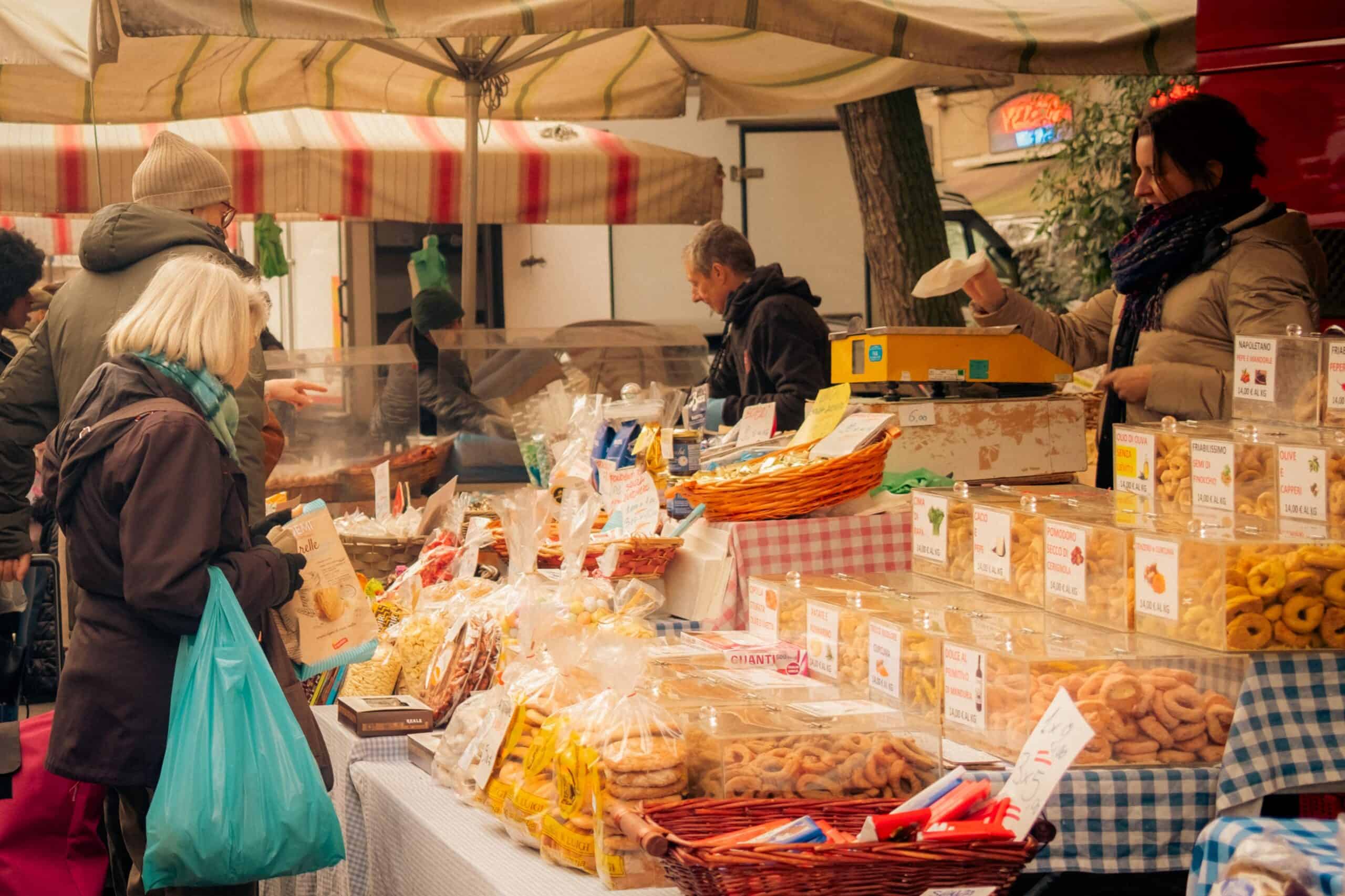
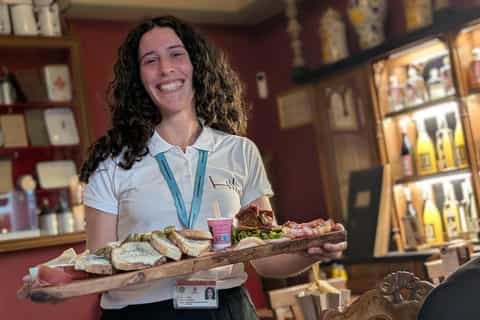
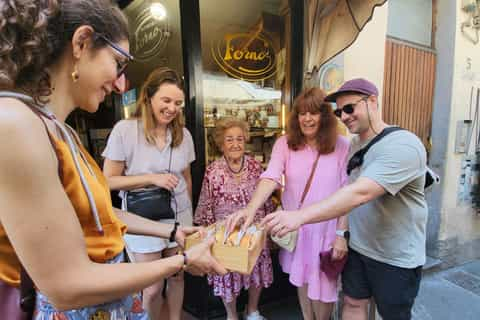
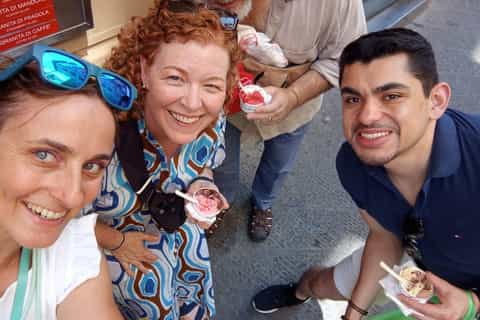
Florence: Street Food Tour with Wine & Local Guide
A strong first pick if you want a guided food walk with wine and a lot of reviews. It suits travellers who want a simple way to compare food tour options.
Florence Street Food Tours & Tickets 2026 cover guided tastings, walking food tours, and wine stops across the city. Compare tour length, meeting point, and what food is included before you book.
A strong first pick if you want a guided food walk with wine and a lot of reviews. It suits travellers who want a simple way to compare food tour options.
This site is independent and is not the official website of the attraction or operator. Some links are affiliate links, and we may earn a commission at no extra cost to you. We help you compare ticket type, tour format, meeting point, and what is included.
Compare six options in descending review order. Check format, how much food is included, duration, group size, dietary options, and traveller feedback to find the Florence street food tour that fits your plans.
1
Most reviewed
★★★★★ 4.814317 · 1,951 reviews
It has the most reviews among these six options. Pick it if you want a widely tried street food walk with wine and a local guide, plus the strongest feedback volume on this page.
2
Popular choice
★★★★★ 4.859115 · 1,100 reviews
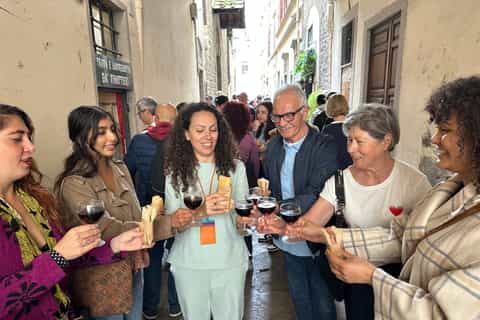
This walking tour has fewer reviews than the card above, but it still has strong feedback and a lower starting price. Compare it if you want a similar food-and-wine format with less spend.
3
Guided option
★★★★★ 4.8887644 · 784 reviews
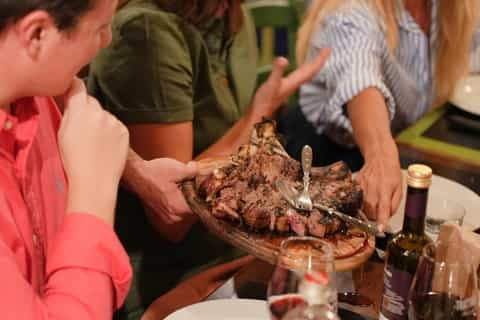
This one has fewer reviews than the first two, but it leads with local steak and Tuscan wine. Choose it if you want a meat-focused food walk and do not mind paying more than the simpler tours.
4
Guided sightseeing
★★★★★ 4.7408676 · 293 reviews
This option combines street food with guided sightseeing, so it suits travellers who want more city context along with tastings. Its review total is well below the top three, so compare the route and food stops carefully.
5
City highlights
★★★★★ 4.8683515 · 114 reviews
This walking tour has a lighter review history than the options above, but it pairs city highlights with food stops. It may suit travellers who want a sightseeing layer without moving to the pricier steak-focused tour.
6
Duomo area
★★★★★ 4.792279 · 94 reviews
This is the lowest reviewed option shown, and its title keeps the food and wine format simple. Check the meeting point and route details if you want a Duomo-area walk with a lower starting price than the guided sightseeing card above.
Compare format, food included, duration, group size, dietary options, and traveller feedback. Some tours keep things simple with a short walk and wine, while others add steak, sightseeing, or a broader city route.
| Option | From | Rating | Reviews | Format | Includes | Best for |
|---|---|---|---|---|---|---|
| Florence: Street Food Tour with Wine & Local GuideMost reviewed option with a classic guided food walk and wine. | €42 | 4.814317 | 1,951 | Food tour | Wine, local guide, street food walk | Travellers who want the widest feedback base and a straightforward first food tour. |
| Florence: Street Food Walking Tour with WineLower-priced walking tour with strong feedback and a simple format. | €38 | 4.859115 | 1,100 | Walking tour | Wine, walking tour | Visitors who want a similar wine-led walk for less money. |
| Florence: Food Walking Tour with Local Steak and Tuscan WineSteak-focused walk for travellers wanting a fuller, meat-led tasting. | €69 | 4.8887644 | 784 | Food walk | Local steak, Tuscan wine | Travellers who want a richer food stop and do not mind paying more. |
| Florence Old City Street Food Tour and Guided SightseeingAdds sightseeing to the food walk for more city context. | €44 | 4.7408676 | 293 | Guided sightseeing | Street food, guided sightseeing | Visitors who want tastings plus a broader look at the old city. |
| Florence: City Highlights and Street Food Walking TourPairs food stops with city highlights and a lighter review history. | €39 | 4.8683515 | 114 | Walking tour | City highlights, street food | Travellers who want sightseeing with food and a lower starting price. |
| Florence Street Food Walking Tour with Wine in the Duomo AreaSimple Duomo-area route with wine and the smallest review count. | €38 | 4.792279 | 94 | Walking tour | Wine, walking tour | Visitors who want a Duomo-area walk and do not need a large review history. |
These Florence street food tours differ in format, food focus, timing and feedback volume. Answer four quick questions to narrow them down, then compare the closest match for your plans.
Choose your preferred food style, visit length, route and priority. The result updates after all four answers are set.
Price alone should not decide it. A cheaper tour can fit badly if you want a steak focus or more sightseeing.
These tours look similar at first glance, but the details can change the whole experience. Check the route, food style, and meeting instructions before you pay, so the option you choose matches your plans.
The meeting point may be different from the street-food area
These tours do not use one fixed ticket office. If you go to the wrong market or square, you can miss the start and spend time finding the group instead of joining it.
Fix: Open the meeting point on your voucher and save it before you leave. Use the exact street address or map pin shown on the booked option, not the general Florence food-tour area or the city centre.
The food stops may not match the tour name
A title that mentions wine, steak, old city sights, or the Duomo area can signal a very different route and menu. If you assume all food tours cover the same dishes, you may book the wrong style for your group.
Fix: Read the included food and drink list on the product page before booking. Check whether the tour is a simple street-food walk, a meat-focused tasting, or a sightseeing route with snacks, then choose the one that fits your appetite.
Wine tours may not suit every traveller in your group
Several listed options include wine, so the experience is not just a food walk. That matters if someone does not drink alcohol, if you are booking for younger travellers, or if you need a tour that stays alcohol-free.
Fix: Check the drink section on the booking page before you buy. If alcohol matters, confirm the wine is included. If it does not, look for a tour that clearly states non-alcoholic options or no wine at all.
Walking distance can be more than the title suggests
These are walking tours across central Florence, not a single short stop. A route that adds old-city sightseeing or city highlights can take more effort than a simple tasting walk, especially on stone streets and with several stops.
Fix: Check the format and route notes before paying. If anyone in your group walks slowly or tires easily, pick the simpler food walk and confirm how much of the tour is sightseeing, how much is tasting, and where it ends.
Plan your Florence food walk with clear advice on market hours, tour duration, included tastings, dietary needs and accessibility. The exact menu and meeting point always depend on the experience you book.
Tours follow individual departure schedules. Morning tours suit traditional market visits, while restaurant-focused experiences may run later.
There is no universal Florence food-tour timetable. Choose your date on the operator’s booking calendar and check the precise departure time on the confirmation.
For a market-focused visit, timing matters: Sant’Ambrogio Market opens Monday–Saturday, 07:00–14:00, and closes Sundays and public holidays. At San Lorenzo, the traditional ground-floor market opens Monday–Friday, 09:00–15:00, and Saturday, 09:00–17:00; it is closed Sundays and holidays.
The upstairs Mercato Centrale food hall follows separate hours, so an evening visit there is not the same as a visit to the traditional morning market. Ask which floor or market your guide actually enters.
Allow roughly 2–3 hours for many walking-and-tasting experiences, plus time to reach the meeting point.
A published Florence street-food tour lasts about 2.5 hours, while private tastings, market-and-cooking classes and extended food-and-wine walks may last 3 hours or more.
The advertised duration usually describes the activity, not your journey to the meeting point. Plan to arrive 10–15 minutes early, or follow your voucher’s check-in guidance.
If you have timed museum entry or a train afterward, leave a buffer. Check whether the route finishes at the departure point or in another neighbourhood.
Your ticket normally covers the guide and explicitly listed food tastings; drinks, full meals and extra purchases vary.
Compare the actual number of food stops, portion sizes and included beverages. Five samples do not always add up to a full lunch, and an optional pasta dish is not included just because it appears in the description.
Some experiences provide wine, others include a non-alcoholic drink or no beverage at all. Hotel transfers, tips and additional menu items are generally separate unless stated.
Before paying, check the “Includes” and “Not included” sections for the exact tour and selected option. Different options under one product can have different menus.
The booking confirmation gives the correct meeting location; Florence food tours have no single shared ticket office.
Tours may start in San Lorenzo, near Sant’Ambrogio, in Oltrarno or elsewhere in central Florence. The market itself is not necessarily the gathering point.
Save the exact pin, street number and any instructions about a sign, office or guide’s clothing. In Florence, a business address may include a red street number (rosso), which is different from the ordinary numbering.
Arrive early and keep the provider’s contact details accessible in case you cannot find the guide. Do not substitute a general map of Mercato Centrale for your ticket’s address.
Traditional markets have limited days and hours, so a Sunday or evening tour may use different food stops.
Official Florence tourism information lists Sant’Ambrogio as Monday–Saturday, 07:00–14:00, and the San Lorenzo ground-floor food market as Monday–Friday, 09:00–15:00, and Saturday, 09:00–17:00. Both close on Sundays and public holidays.
Mercato Centrale’s upstairs food hall has a separate operating schedule and may welcome visitors when the ground-floor market is closed.
If shopping for produce or watching morning vendors is the main reason you booked, choose a suitable morning date and confirm that the traditional market—not only the food hall—is included.
Depending on your route, samples may include schiacciata, lampredotto, Tuscan cheese, cured meats, crostini, pastries or gelato.
Lampredotto is a distinctive Florentine speciality made from the fourth compartment of a cow’s stomach and commonly served in a bread roll. Schiacciata is Tuscan flatbread, often served plain or filled as a sandwich.
Other tours focus on restaurant courses, pasta, wine pairings or dessert rather than classic street snacks. Menus can change with the season and the food businesses visited.
Read the actual sample menu, especially if you are unfamiliar with offal, meat-based spreads or alcoholic tastings. No single dish is guaranteed across all Florence food tours.
Some providers offer alternatives, but dietary suitability must be confirmed for the specific route before booking.
Traditional Florence food stops frequently serve meat, dairy and wheat-based bread. Lampredotto and trippa are meat-based, crostini may contain chicken-liver pâté, and gelato may contain milk.
Vegetarian replacements may be available with advance notice; vegan and gluten-free options are more restrictive on certain routes. For coeliac disease, ask about cross-contact procedures as well as gluten-free ingredients.
Do not assume a last-minute substitution will be possible at several independent vendors. Request written confirmation of accommodations from the activity provider.
Tell the operator your exact allergens before purchasing and ask whether every tasting stop can safely accommodate you.
Potential allergens include wheat, milk, eggs, tree nuts, peanuts, fish, soy and sulfites, depending on the food and drinks. Traditional cantucci commonly contain almonds, while some sauces contain anchovy or egg.
A tour labelled “vegetarian-friendly” or “gluten-free options” does not necessarily make it safe for someone at risk of anaphylaxis. Shared kitchens and serving equipment can create cross-contact.
If the operator cannot confirm suitable ingredients and handling at all relevant stops, choose a different experience rather than relying on explanations given only when you arrive.
Family-friendly food walks exist, but minimum ages and alcohol policies vary by operator.
A general daytime food walk may suit children who enjoy trying new flavours and can manage the walking distance. Extended evening wine experiences can have stricter age conditions.
Check whether children receive the same portions, whether strollers are practical and whether drinks can be substituted. In Italy, alcohol may not be sold or served to people under 18.
If your family includes picky eaters, a street-food tour with a published menu may be easier to assess than an adult-oriented food-and-wine evening experience.
Expect to walk between food businesses and to stand at some tasting stops, even when the total distance is modest.
Routes through Florence’s historic centre can include cobblestones, crowded sidewalks, narrow shop entrances and limited seating. Some tastings may be eaten while standing.
Wheelchair and stroller access can vary across venues even when public streets are accessible. Ask the operator about steps, seating, distance and accessible restrooms.
For travellers who need frequent rests or minimal walking, consider a seated tasting, private arrangement or experience at one venue.
Wear comfortable shoes, bring your booking confirmation and pack lightly; optional purchases are usually extra.
A charged phone, water and weather-appropriate clothing are useful. Some venues may have limited bag space, and you may need to carry purchases for the rest of the walk.
Food shops may sell packaged sweets, olive oil, cheese or cured meats, but tasting tickets do not normally cover your personal shopping. Ask your guide whether there is time to buy extras.
If travelling internationally, check your destination’s customs rules before buying meat, dairy or fresh foods. Refrigerated items can be unsuitable for a long day of sightseeing.
Some tours operate in light rain, but routes and tasting venues may change; cancellation rights depend on the product.
Bring a rain layer and closed-toe shoes when rain is forecast. Food stalls, restaurants and markets can close for holidays or operational reasons, so a guide may substitute another stop.
A replacement venue does not automatically mean that food quantity or quality will be the same: contact the provider if a particular advertised tasting is essential to your booking.
Review the current cancellation window, no-show terms and operator messages before travel. Do not assume weather alone guarantees a refund.
Market hours and background: FeelFlorence — San Lorenzo · FeelFlorence — Sant’Ambrogio. Tour menus, timing and dietary arrangements must be checked with the individual provider.
Florence street food tours matter because they turn the city’s food into a map of daily life. The important part is not just what you taste, but where each stop sits in the city: old markets, workshop streets, neighbourhood squares, and the routes people still use every day. That is why the experience teaches Florence as a living place, not just a list of dishes.
Florence food makes more sense when you read the markets, not just the menu.
Florence’s food identity is tied to markets that served nearby streets, not to one grand dining district. San Lorenzo and Sant’Ambrogio are the two names that matter most here. They help explain why street food in Florence is practical, local, and shaped by what could be bought, carried, and eaten quickly.
Sant’Ambrogio has been a neighbourhood market since 1873, while the San Lorenzo area links to the city’s central market district. That difference matters. One feels like a local market quarter; the other sits closer to Florence’s main flow of visitors and rail arrivals.
Many Florentine dishes grew from cucina povera, the city’s frugal cooking tradition. Lampredotto is the clearest example. It uses the abomasum, the fourth stomach of a cow, and turns an overlooked cut into a defining local food.
That is why Florence street food is worth understanding beyond taste. It shows how Florentines made use of bread, market produce, and inexpensive ingredients. The result is food that reflects the city’s working life, not just its courtly past.
These tours also explain Florence as a walkable city of connected quarters. San Lorenzo sits near the historic centre and the main station area, while Sant’Ambrogio lies farther east and Oltrarno sits across the river. Each area gives a different reading of the city’s rhythm.
That spatial contrast helps first-time visitors notice what often gets missed. Florence is not one food scene in one place. It is a set of small districts with their own habits, and the tour route decides which version of the city you meet.
Look for the relationship between street, stall, and square. In Florence, the food stop is often part of a wider urban pattern, where markets, bakery counters, and neighbourhood shops sit inside the city’s everyday movement. Once you understand that, the tour becomes less about sampling and more about reading how Florence feeds itself.
Yes, especially if you want to discover traditional Florentine food while learning about the city’s markets, local ingredients, and food culture. A guided tour lets you sample different specialities without researching every food stop yourself.
A tour is particularly useful for first-time visitors. If you mainly want an inexpensive sandwich or gelato, exploring independently may cost less. Choose a guided experience when the explanations, variety of tastings, and local knowledge matter to you.
Prices vary according to the operator, duration, group size, number of tastings, and whether drinks or a full meal are included. Short shared walking tours generally cost less than extended private food-and-wine experiences.
Compare the final price per person rather than just the advertised starting price. Check how many food tastings you receive, whether drinks are included, and if any additional purchases are required.
A guided walking tour featuring several traditional Florentine foods is a good starting point. Look for experiences that explain local specialities such as lampredotto, schiacciata, Tuscan cheeses, and regional desserts.
For a more traditional market experience, consider a Sant’Ambrogio or San Lorenzo food tour. If you prefer a longer evening experience, choose an Oltrarno food tour with clearly listed tastings.
Lampredotto is one of Florence’s most distinctive traditional street foods. It is made from the fourth stomach compartment of a cow, slowly cooked in broth and commonly served inside a bread roll with salsa verde.
You can find it at traditional street-food stalls called trippai or lampredottai. Schiacciata sandwiches are another popular choice, particularly for visitors who prefer bread filled with cheese, vegetables, or cured meats.
Both are traditional Florentine dishes made from parts of a cow’s stomach, but they use different stomach sections and are prepared differently.
Lampredotto is commonly boiled in a seasoned broth and served in a sandwich. Trippa alla Fiorentina is typically cooked with tomato and aromatics and served as a dish. If you want to try either, check whether your selected tour includes it.
Morning tours are particularly good for visiting traditional markets, seeing fresh produce, and exploring bakeries. Evening tours often focus more on neighbourhood eateries, restaurant tastings, and food-and-wine experiences.
Choose a morning departure if you want a working-market experience. Choose an evening departure if you prefer a relaxed tasting experience that may include enough food for dinner.
Mercato Centrale in San Lorenzo is convenient for visitors interested in a historic food market alongside a modern upper-level food hall. It offers an accessible introduction to different Tuscan and Italian food businesses.
Sant’Ambrogio is particularly appealing for visitors who want to see a traditional neighbourhood market. Its covered market normally opens Monday to Saturday from 07:00 to 14:00 and closes on Sundays and public holidays.
Advance booking is recommended, especially if you want a particular departure, English-speaking guide, small group, or private experience. Same-day spaces may be available on some tours but are not guaranteed.
Booking ahead is particularly useful when travelling as a family or when you have specific dietary requirements. Confirm the departure time, meeting point, and cancellation conditions before paying.
There is no fixed number. Some tours include a few substantial food stops, while longer experiences may offer several smaller samples, drinks, and desserts.
Check both the number of tastings and the portion sizes. Five small samples may be less filling than three generous servings. If you want the tour to replace lunch or dinner, choose an experience that clearly describes the amount of food included.
A private tour is a good choice for couples, families, and travellers who want more personal attention from their guide. It may also offer greater flexibility in pacing or discussing specific foods.
Shared tours are often more economical and provide an opportunity to meet other travellers. Private tours do not automatically guarantee customized menus, so confirm any dietary changes before booking.
Food tours may use independent bakeries, markets, kiosks, and restaurants, and their opening hours can change. Operators sometimes replace a planned stop when a business is closed or unavailable.
If a particular market or food tasting is your main reason for booking, ask whether it is guaranteed. Review the itinerary-change policy before purchasing, especially on public holidays.
Cancellation and refund conditions depend on the individual operator and ticket. Some experiences offer free cancellation before a specified deadline, while others are non-refundable or have stricter terms.
Check the exact deadline shown during booking. Missing the departure, arriving late, or changing your mind after the cancellation deadline may not qualify for a refund.
Yes. Shared food walking tours can be a good option for solo visitors because the guide organizes the tasting stops and provides an opportunity to meet other travellers.
Before booking, check whether the experience has a minimum number of participants or a minimum booking size. Some private tours charge for the entire group rather than one individual ticket.
It depends on the operator. Some tours focus on traditional bakeries, market stalls, and long-established food businesses, while others combine those places with modern restaurants or popular tasting venues.
A useful tour description should identify the neighbourhoods visited and explain the foods included. Look for guides who discuss ingredients, local traditions, and preparation methods rather than promising authenticity without details.
Yes. You can independently visit traditional markets, bakeries, food kiosks, delicatessens, and gelaterias. Florence’s public food markets and many street-food businesses do not require a guided tour ticket.
A guided tour is more useful if you want several tastings organized for you, explanations of unfamiliar dishes, and background on Florentine food culture. Independent exploring offers greater flexibility and can be less expensive.
Each attraction has its own visitor guide, covering opening hours, ticket options and practical route advice. The markets sit north and east of the monument centre, so most of Florence’s big tickets are a short walk from where a tasting starts or ends. The useful question is appetite rather than distance — take the indoor hours before the food and the sitting-down ones after.
Each guide is maintained by our Independent guides, with factual details checked against official sources where available. We do not sell tickets directly. Bookings are handled by third-party booking partners, and we may earn a commission at no additional cost to you.