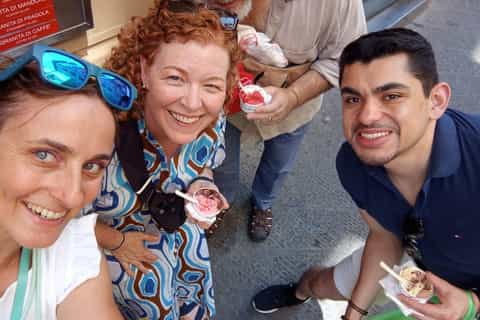
Find the lampredotto stop
Lampredotto is the most local food many visitors will meet. It comes from cow stomach and is often sold from a simple street stall. Ask how the bread is filled and how the broth changes the texture.
Start with a guided food walk, notice the market streets and local snacks, then choose whether to add Mercato Centrale, Sant’Ambrogio Market or an evening route across the river.
Do not try to turn this into a long list. Focus on the food stop, the market setting, and the route the guide uses to connect them.
Lampredotto is the most local food many visitors will meet. It comes from cow stomach and is often sold from a simple street stall. Ask how the bread is filled and how the broth changes the texture.
The Central Market area is useful because it shows food as daily trade, not just a tasting stop. The building, stalls and food hall all sit close together, so the guide can compare old and new food habits fast.
Sant’Ambrogio works well when you want a more local market feel. It is a neighbourhood market area, so the walk often feels less polished and more like everyday Florence.
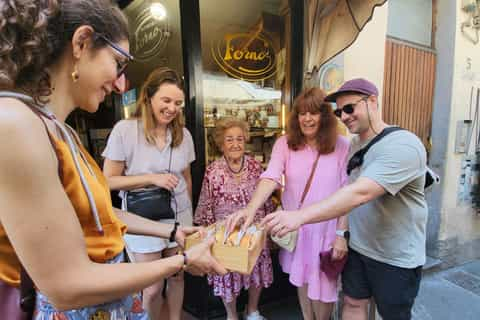
Many Florence food stops use bread in a different way. Schiacciata, filled rolls and other quick bites tell you how locals build a meal that can be eaten while walking.
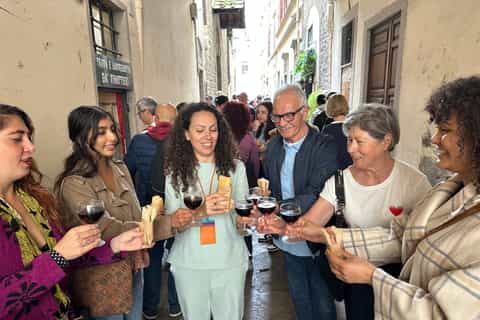
Several tours add wine, but each one uses it differently. Some treat it as a short stop. Others pair it with food and make the drink part of the route through Florence’s food streets.
Some tours add sightseeing, but that only helps if the route uses it to explain the food area. A short city walk can add context. A long detour just pushes the tastings later.
Many food walks end with gelato, biscuits or another dessert. That ending is useful because it lets the guide finish the route on a lighter note after the savoury tastings.
These are bookable walks by different operators. Meeting points, food stops and inclusions change by product, so the booking voucher matters more than a citywide rule.
Do not automatically add every nearby attraction. Choose one or two based on time and energy left.
The Central Market area pairs well with a food tour because it adds a bigger food context without repeating the same tasting walk. It works best when your route already starts near San Lorenzo.
Sant’Ambrogio is useful when you want a slower neighbourhood feel after a walk. It gives you local produce, small streets and a real market rhythm without forcing another ticketed visit.
Oltrarno is a better add-on when you want a second walk instead of another indoor stop. It shifts the day toward squares, wine bars and a more relaxed evening pace.
This square works well after a food walk because it gives you room to sit, look around and reset. It adds atmosphere without repeating the market or tasting format.
This is more of a city marker than a food stop. It helps you understand the old commercial centre, but it belongs to a longer Florence day rather than a direct add-on.
Go here if you want the clearest food context in central Florence. It fits a first visit because it adds scale without needing another transport step.
This is the better choice if you prefer a local market quarter and less visitor traffic. It suits a slower afternoon more than a packed sightseeing day.
Use this when your food tour ends early enough for another walk. It is the strongest add-on for an evening food-and-wine plan.
A guided walk gives context and tastings. Independent wandering works if you mainly want to browse markets and pick one stop yourself.
Pick the food walk and one market area, or the food walk and one evening square. That keeps the day balanced.
Do not stack another big attraction on top of the tour. One extra is enough if you want the day to stay easy.
The choice depends less on the ticket name than on what you actually want from the walk: market context, more food, or a simple guided tasting.
This gives you the freedom to move at your own pace. It does not give you a guide, tasting plan or set route, so it suits travellers who already know what they want to eat.
This format adds local context, tasting stops and a clear order for the day. It does not give you a private custom route, but it is the easiest first choice.
This works when you want to see food in a local setting first. It usually gives more market context than a simple snack walk, but it can still be short.
This format gives you a longer food stop pattern and usually feels more complete than a quick daytime tasting. It does not suit anyone who wants a light snack only.
These products are useful for different reasons. Compare them by format, food style and how much context you want, not just by price.
Most reviewed
A strong first choice if you want the widest review base and a classic guided food walk with wine. It suits travellers who want a straightforward food tour with a lot of feedback behind it.
Lower starting price
A good pick if you want a simple walking format and a slightly lower starting price than the most reviewed option. It keeps the food-and-wine idea clear without adding a heavier route.
Highly rated tour
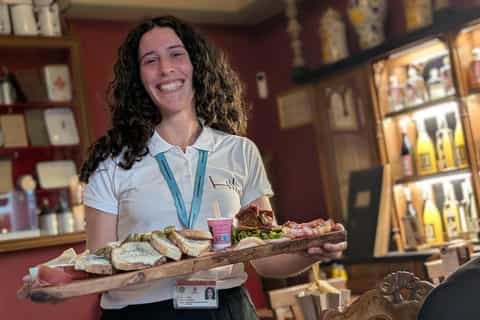
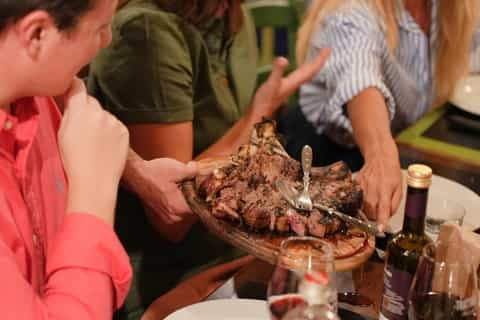
Best for travellers who want a meat-led tasting walk and do not mind paying more. It solves a different problem from the lighter tours because the food focus is richer and more filling.
Guided + sightseeing
Useful when you want tastings and a broader look at the old city in one outing. It is a better fit than a pure food walk if you also want more city context.
Flexible option
A good fit if you want the city to be part of the food story. It keeps the walk moving and works for travellers who want a newer listing with a broad route.
Duomo area route
A useful choice if you want the food walk to stay near the Duomo area. It suits visitors who value route clarity and a central starting point more than the biggest review count.
florencestreetfoodtours.com is an independent visitor guide and is not the official Florence Street Food Tours website. Some links are affiliate links, which means we may earn a commission at no extra cost to you. *Ratings, review counts and starting prices come from the supplied booking data and can change; check the live booking page for your date and selected option.
Plan food around the route, not squeezed between timed attractions.
Choose a light snack near central Florence, especially if your tour starts in San Lorenzo, the Duomo area or Sant’Ambrogio. That keeps you ready for the first tasting stop.
A market area or nearby square works best after the walk. Sit down in the same part of town instead of crossing Florence for another booking.
If you are moving on, choose a café, gelato stop or a short riverside walk. That fits better than a second major meal after a food tour.
The difference between a good day and an exhausting one is usually how many separate things someone tries to fit around one timed visit.
These tours are about tasting and walking. Spend your time on the food stops and the route instead of trying to build a photo list.
Do not assume every tour includes a market, a sightseeing stretch or an evening square. Read the booking details and choose the route you want.
Walking, tasting and small delays add up. Leave slack after the tour so you can finish without rushing to the next place.
If you are travelling as a family, decide first whether the day should be about food, walking or a market stop. That keeps the pace easier.
A square, market edge or short riverside walk helps after tasting stops. It gives the group time to reset before anything else.
These tours do not use one central ticket office. Save the exact map pin on your voucher so you do not go to the wrong street.
For most first-time visitors, the best plan is a guided street food walk, two clear highlights and one extra stop only if you still have energy.